
Roof Rat vs Mouse: Which Rodent Is in the House?
Roof rats are substantially larger than house mice and often use elevated routes such as trees, rooflines and attics, while house mice can squeeze through much smaller openings and nest close to food and shelter. Droppings help, but the most reliable identification combines body size, tracks, gnawing, nest location, entry points and travel patterns.
At a glance
Use these points as a starting checklist, then read the sections below for the context and exceptions.
- Why droppings should not be the only clue: Freshness, diet and age can change appearance, and other animals can leave droppings in attics or garages.
- Roof-rat behavior around Whittier properties: Roof rats are excellent climbers.
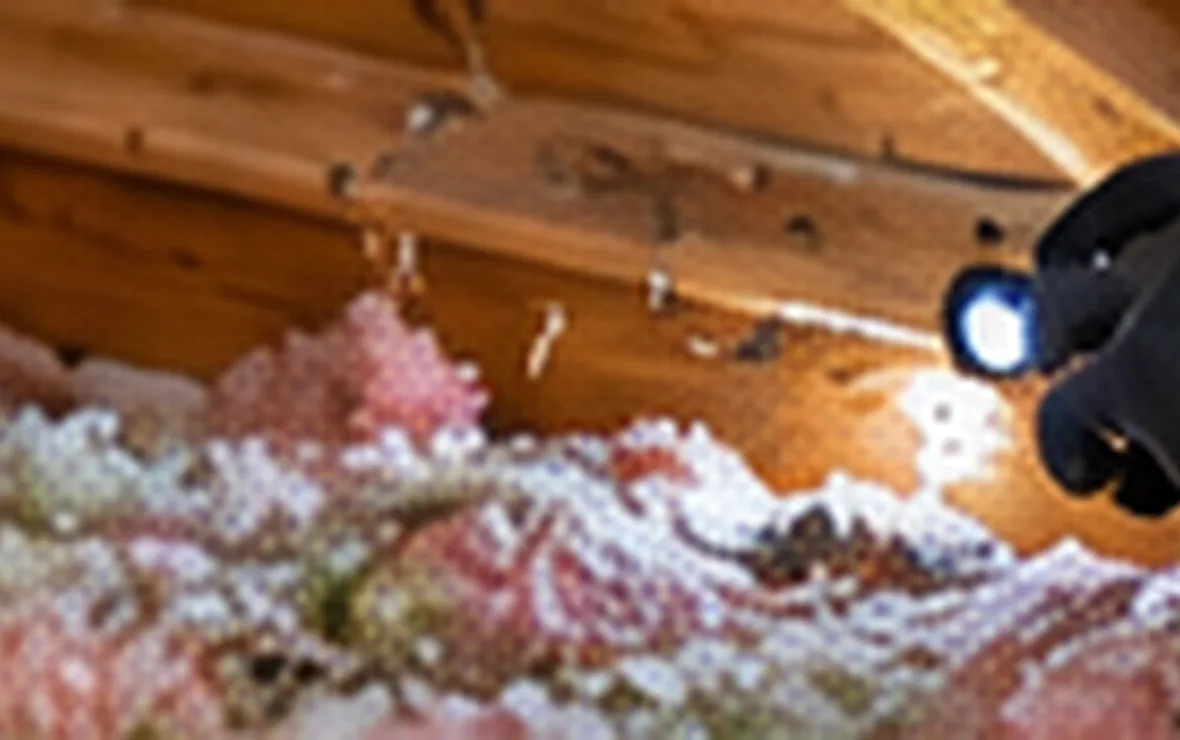
Quick comparison
| Clue | Roof rat | House mouse |
|---|---|---|
| Body size | Larger rat with a long tail and strong climbing ability | Small rodent, commonly gray-brown with relatively large ears |
| Common routes | Trees, fences, roof edges, utility lines, attics | Small gaps at foundations, doors, utility openings and indoor stored areas |
| Droppings | Generally larger | Generally smaller |
| Nesting clues | Attics, elevated voids, dense vegetation | Cabinets, garages, drawers, storage and small sheltered cavities |
| Entry capability | Needs a larger gap than a mouse | UC IPM notes mice can enter through openings around 1/4 inch |
Why droppings should not be the only clue
Freshness, diet and age can change appearance, and other animals can leave droppings in attics or garages. If possible, note the exact location, nearby tracks, gnawing, rub marks and the size of openings being used.
The rat vs mouse droppings guide focuses specifically on fecal evidence and safe handling.
Roof-rat behavior around Whittier properties
Roof rats are excellent climbers. Fruit trees, vines, fences and utility routes can bring them close to roofs and upper openings. UC IPM also documents damage to wiring, insulation and vehicles, which is why a property-level inspection should look beyond the room where a rat was first heard.
House-mouse behavior indoors
House mice are adapted to living close to people, food and shelter. UC IPM notes that they can enter through very small openings, nest in shredded fibrous material and remain relatively close to established food and shelter. Small droppings in drawers, cabinets, garages or storage areas can therefore point to a different entry and nesting pattern than an attic roof-rat problem.
Control and exclusion are separate decisions
Whichever rodent is present, reducing the active population is only one part of long-term control. Rodent control focuses on current animals and monitoring; rodent exclusion focuses on closing verified access points with durable materials.
Frequently asked questions
Can a house have both rats and mice?
Yes. More than one rodent species can use a property, which is another reason not to identify from one dropping or one sound.
Do roof rats always stay in the attic?
No. They can move through rooflines, wall voids, yards and other connected areas.
Are ultrasonic devices a reliable way to identify or remove rodents?
No. They do not establish which rodent is present, and UC IPM does not consider high-frequency devices effective for house-mouse control.
Related guides and services
Call to describe the pest signs you are seeing, or use the service request form.
(562) 271-9238