
Rat Droppings vs Mouse Droppings: Identification and Safe Next Steps
Rat droppings are generally larger than house-mouse droppings, but size alone is not a reliable species diagnosis. Location, quantity, tracks, gnawing, nesting material and the size of entry points provide important context. Treat any unknown rodent droppings as contaminated material and avoid dry sweeping or vacuuming before disinfection.
At a glance
Use these points as a starting checklist, then read the sections below for the context and exceptions.
- Use more than size: Adult roof-rat droppings are typically larger than house-mouse droppings, but young rats, old dried droppings and diet can change appearance.
- Location helps narrow the possibilities: Large droppings along attic travel routes, roofline voids or elevated storage may support roof-rat activity.
- CDC cleanup precautions come before curiosity: CDC advises people not to sweep or vacuum rodent urine, droppings or nesting material before disinfection because contaminated particles can.
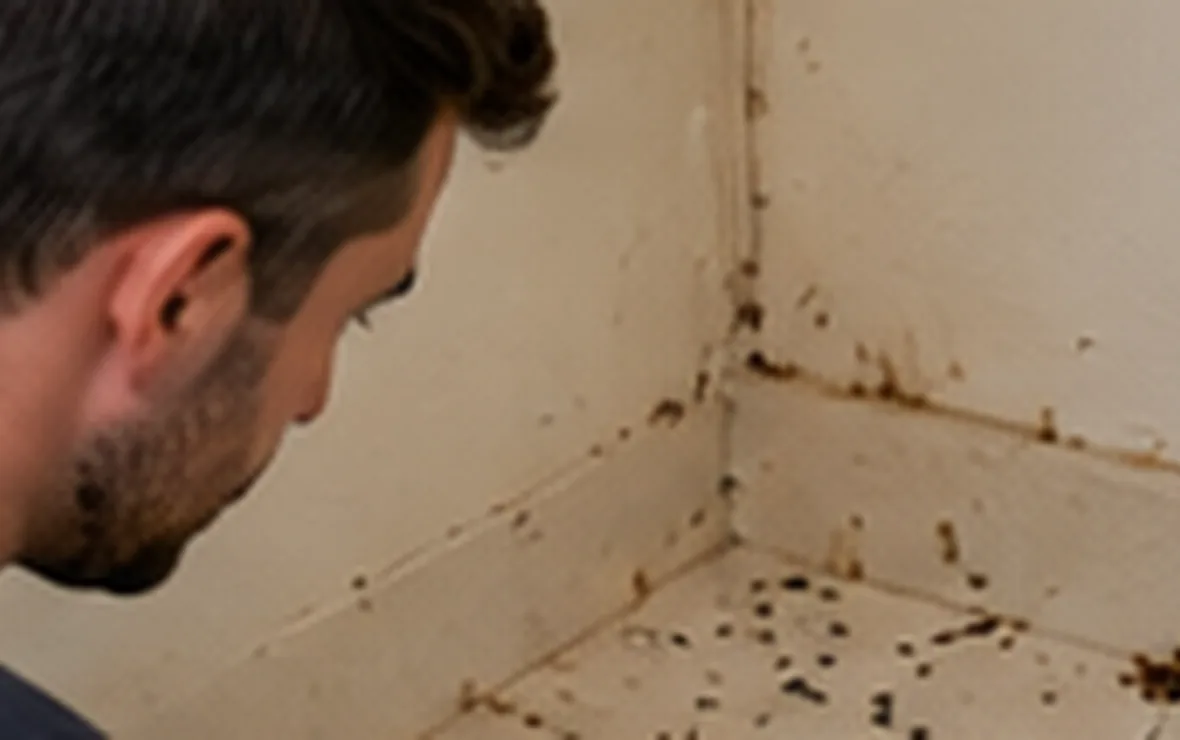
Use more than size
Adult roof-rat droppings are typically larger than house-mouse droppings, but young rats, old dried droppings and diet can change appearance. Bats and other animals can also leave fecal material in attics. If identification matters, collect photos with scale and document where the droppings were found.
Location helps narrow the possibilities
Large droppings along attic travel routes, roofline voids or elevated storage may support roof-rat activity. Small droppings in drawers, cabinets, pantries, garages or protected storage areas can support house-mouse activity. Neither pattern is absolute.
CDC cleanup precautions come before curiosity
CDC advises people not to sweep or vacuum rodent urine, droppings or nesting material before disinfection because contaminated particles can become airborne. Wear gloves, wet the material thoroughly with an appropriate disinfectant, allow the required contact time, wipe it up and dispose of it safely according to current CDC guidance.
Fresh vs old droppings are not a perfect activity test
Appearance can change as droppings dry, but homeowners should not handle or break droppings to judge age. Monitoring, new droppings after a clean baseline, tracks, trap activity and other evidence are safer ways to understand whether rodents remain active.
Connect identification to control and exclusion
If droppings confirm a rodent problem, rodent control addresses the active population, while rodent exclusion focuses on verified entry points. For attic-specific evidence, see signs of rats in an attic.
Frequently asked questions
Can I vacuum rodent droppings with a HEPA vacuum?
CDC guidance says not to vacuum or sweep rodent droppings before they have been properly disinfected. Follow the current cleanup procedure for the situation.
Can droppings tell me whether there is one rodent or many?
No. Quantity helps show activity but does not reliably count animals.
Should I save a dropping for identification?
Usually clear photos with scale and surrounding evidence are more useful and reduce unnecessary handling of contaminated material.
Related guides and services
Call to describe the pest signs you are seeing, or use the service request form.
(562) 271-9238