
Scratching Noises in the Attic at Night: What Could Be Causing Them?
Nighttime scratching in an attic often points to an animal that is active after dark, and rats or mice are common possibilities. Sound alone cannot identify the animal. Check for droppings, gnawing, tracks, nesting material and roof-level entry points before deciding on control.
At a glance
Use these points as a starting checklist, then read the sections below for the context and exceptions.
- Why nighttime timing points toward rodents: Roof rats and house mice are primarily active at night.
- Sounds that are useful to describe: Describe the pattern rather than trying to identify species by sound.
- What evidence to check without unsafe exposure: From accessible areas, look for droppings, rub marks, gnawing, damaged vent screens, roof gaps and tree limbs touching the structure.
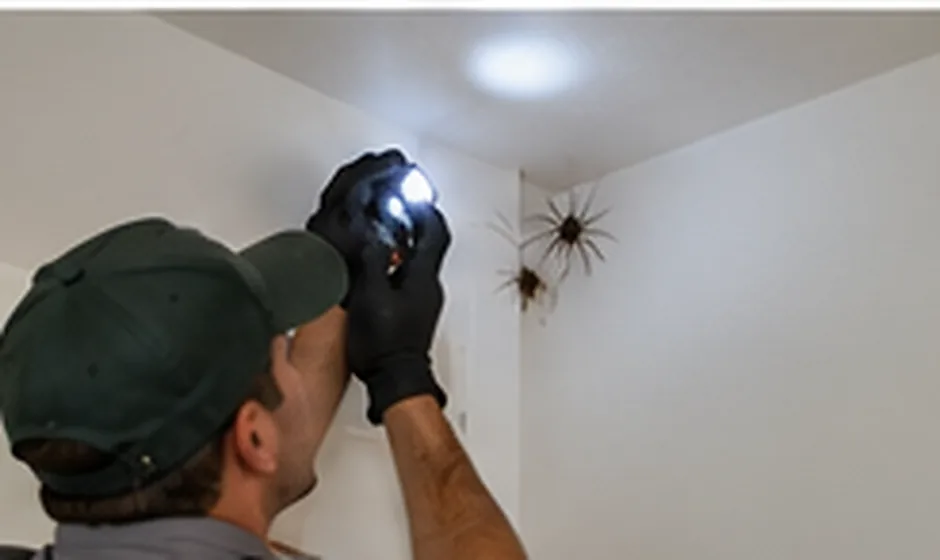
Why nighttime timing points toward rodents
Roof rats and house mice are primarily active at night. Roof rats are especially capable climbers and often use elevated routes, which makes attics a common place to hear movement. Mice can also occupy wall and ceiling voids, particularly where small openings connect protected spaces.
Sounds that are useful to describe
- Light scurrying across a ceiling or insulation
- Repeated scratching in one wall or roof area
- Gnawing sounds near wood or wiring
- Movement that starts soon after dark
- Activity that follows a predictable travel route
Describe the pattern rather than trying to identify species by sound.
What evidence to check without unsafe exposure
From accessible areas, look for droppings, rub marks, gnawing, damaged vent screens, roof gaps and tree limbs touching the structure. Do not crawl into a contaminated attic without understanding the hazards, and follow CDC guidance before disturbing droppings or nesting material.
Why traps alone may not end the problem
Even successful trapping does not close the opening that allowed entry. Long-term control usually requires a plan for both the active animals and the building access points.
When to call for help
Request rodent control when the activity is persistent, droppings are present, wiring or insulation may be affected, or the attic cannot be safely inspected. Add rodent exclusion when openings are confirmed.
Frequently asked questions
Could attic scratching be something other than rats or mice?
Yes. Birds and other wildlife can also create sounds. Evidence and location are needed before choosing a control method.
Does quiet for a few nights mean the rodent is gone?
Not necessarily. Activity can shift with food, weather and movement routes.
Should I put poison in the attic?
Rodenticides involve safety and carcass-recovery concerns. Treatment should follow label requirements and the actual site conditions; trapping is often preferred where carcass location matters.
Related guides and services
Call to describe the pest signs you are seeing, or use the service request form.
(562) 271-9238