
Localized Termite Treatment vs Fumigation: What’s the Difference?
Localized treatment targets a known, accessible drywood-termite infestation in a limited area. Whole-structure fumigation treats the entire structure at once and can reach hidden drywood-termite colonies. The key tradeoff is detection certainty: localized treatment depends on finding the infestation, while fumigation is designed to reach accessible and inaccessible areas throughout the structure.
At a glance
Use these points as a starting checklist, then read the sections below for the context and exceptions.
- What localized treatment means: UC IPM describes localized or spot treatment as treatment applied to a single board or small group of boards.
- What whole-structure fumigation means: Whole-structure fumigation is designed to reach drywood termites throughout the treated structure, including hidden areas that localized.
- The most important question is not “which is stronger?”: The better question is whether inspection can reasonably define the infestation.
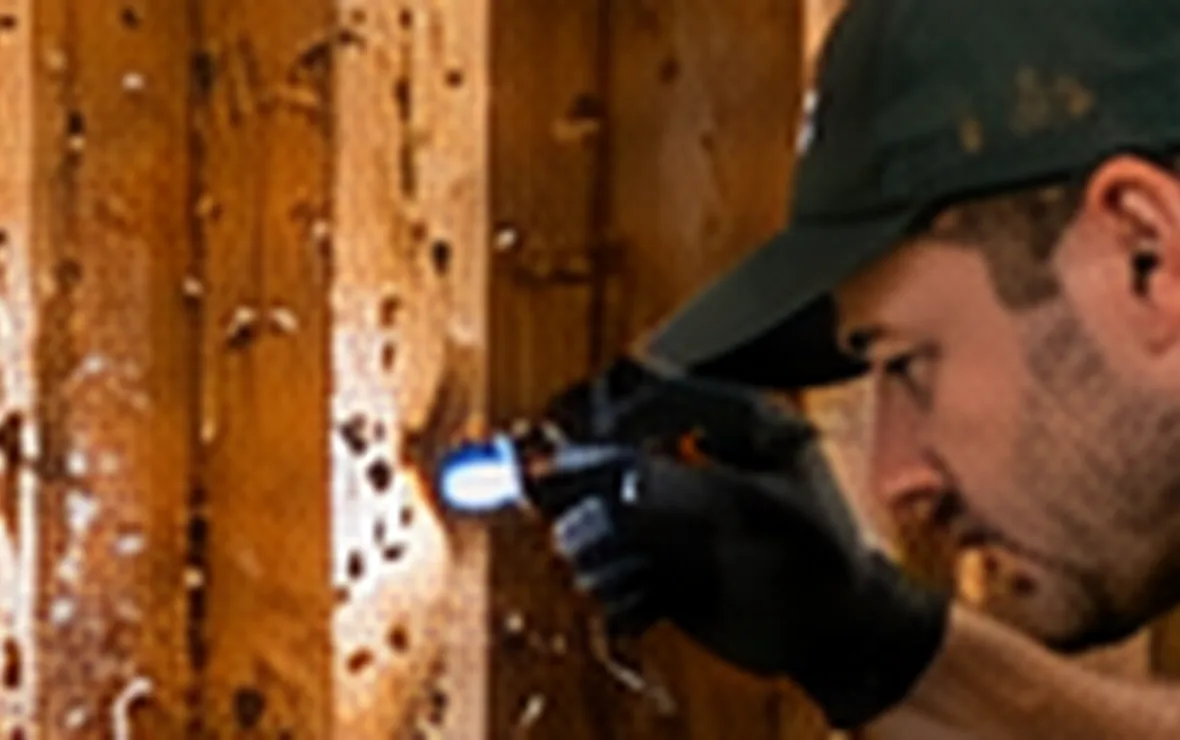
What localized treatment means
UC IPM describes localized or spot treatment as treatment applied to a single board or small group of boards. Methods can include liquids, dusts, foams, heat and other professional techniques. Success depends heavily on locating the colony and getting the treatment to the termites.
What whole-structure fumigation means
Whole-structure fumigation is designed to reach drywood termites throughout the treated structure, including hidden areas that localized treatment may not reach. It requires occupants, pets and plants to leave during treatment and aeration. In California, structural fumigation is Branch 1 work under the Structural Pest Control Board.
The most important question is not “which is stronger?”
The better question is whether inspection can reasonably define the infestation. Localized treatment can make sense when activity is limited and accessible. If colonies may be widespread or concealed behind finishes, a provider may recommend a whole-structure approach because hidden areas cannot be confidently ruled out.
Questions to ask a provider
- What evidence shows where the infestation is located?
- What areas could not be inspected?
- Why is localized treatment considered sufficient or insufficient?
- What follow-up is included?
- Which license branch applies to the proposed work?
Do not confuse repair with treatment
Replacing visibly damaged wood can be necessary, but repair alone does not prove hidden termites are gone. A treatment plan and a repair plan should be explained separately when both are needed.
Whittier next step
Use termite inspection to establish the evidence first. The termite-control page explains the broader treatment categories for drywood and subterranean termites.
Frequently asked questions
Does every drywood termite infestation require fumigation?
No. Some limited, accessible infestations may be candidates for localized treatment. Inspection quality and infestation extent are central to that decision.
Does fumigation leave long-term termite protection behind?
Whole-structure fumigation is intended to eliminate drywood termites present in the treated structure when performed according to the treatment plan, but it does not create permanent protection against future reinfestation.
Can a provider guarantee that a localized treatment reached every hidden colony?
That depends on detection and access. One limitation of localized treatment is uncertainty about colonies that were not found.
Related guides and services
Call to describe the pest signs you are seeing, or use the service request form.
(562) 271-9238