
Why Are Ants in My Kitchen and How Can I Stop Them?
Ants enter kitchens because they can reach food, moisture or a protected route through the building. The visible trail is the result of a colony foraging—not usually the whole problem. Clean food residue, trace the trail, reduce moisture and identify the species before relying on repeated spray.
At a glance
Use these points as a starting checklist, then read the sections below for the context and exceptions.
- Follow the trail before you erase it: Before cleaning, note where ants enter and what they are moving toward.
- Food is not the only attractant: Crumbs, sugar and grease matter, but ants can also be drawn to water around sinks, dishwashers, refrigerator drip areas and plumbing.
- Why bait can make more sense for recurring trails: Slow-acting bait is intended to be carried back to the colony.
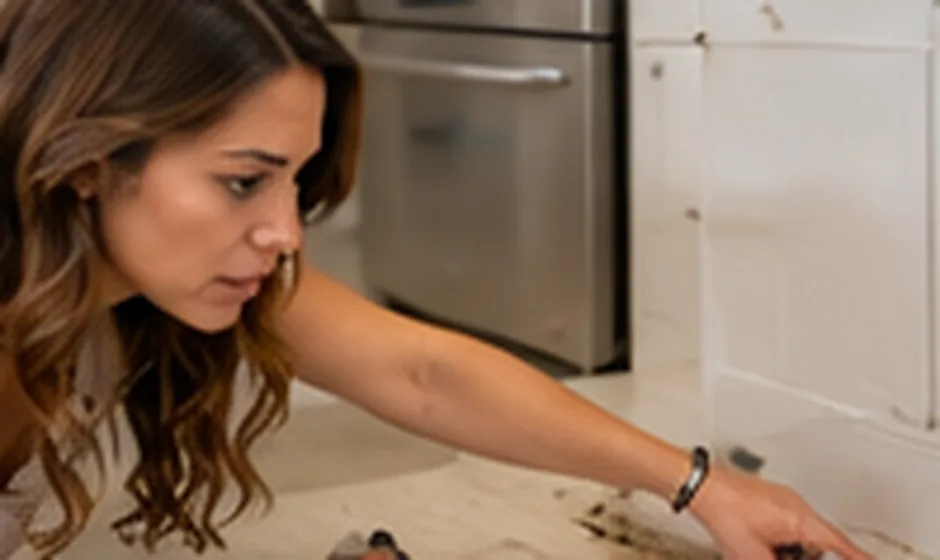
Follow the trail before you erase it
Before cleaning, note where ants enter and what they are moving toward. Common routes include windows, door frames, baseboards, plumbing penetrations and wall gaps. Once documented, wipe the trail with soapy water to remove food residue and scent trails.
Food is not the only attractant
Crumbs, sugar and grease matter, but ants can also be drawn to water around sinks, dishwashers, refrigerator drip areas and plumbing. Outdoor honeydew from landscape insects can support colonies that later send workers inside.
Why bait can make more sense for recurring trails
Slow-acting bait is intended to be carried back to the colony. UC IPM recommends colony-focused baiting and notes that sprays often provide only temporary control. If ants are feeding on bait, avoid spraying the same trail unless the product label and treatment plan say otherwise.
Seal entry points after the route is understood
Caulk verified cracks, repair screens and address gaps around utility or plumbing penetrations after activity is reduced. Sealing without understanding the route can simply shift foraging to a different opening.
When professional ant control is useful
If trails return repeatedly, multiple rooms are involved, species identification is uncertain or outdoor colonies are extensive, ant control in Whittier can help connect the indoor symptom to the outdoor colony and property conditions.
Frequently asked questions
Why are ants in a clean kitchen?
Water, shelter and outdoor colony pressure can bring ants inside even when visible food residue is limited.
Should I kill the ants I see on a bait trail?
Usually no. Slow-acting bait depends on foragers carrying material back to the colony.
Why did the trail move after I sealed a crack?
The colony may still be active and simply find another route. Entry correction works best alongside colony-focused management.
Related guides and services
Call to describe the pest signs you are seeing, or use the service request form.
(562) 271-9238